
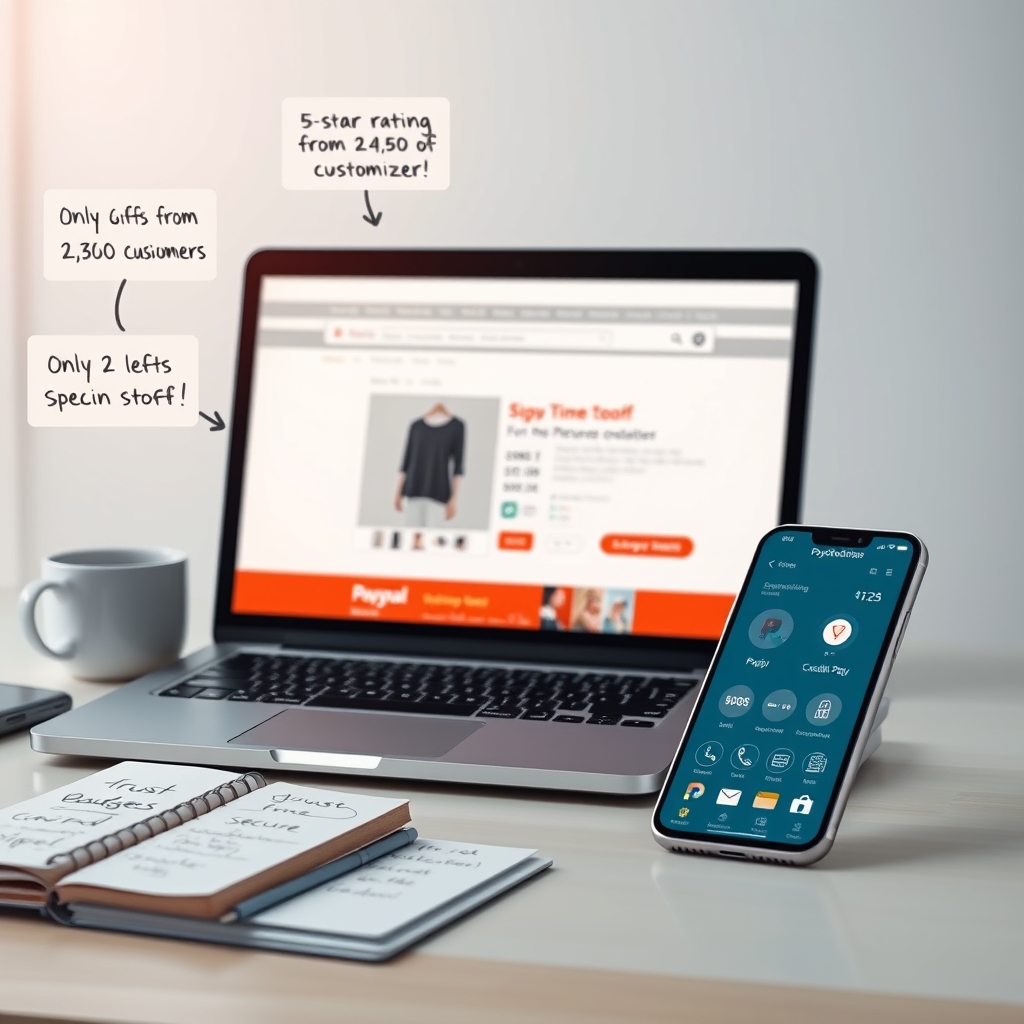
In the fast-paced world of e-commerce, understanding the psychological factors that influence consumer behavior can be the difference between a thriving online store and one that struggles to convert visitors into customers. While product quality, pricing, and user experience are critical, the subtle cues and triggers that shape purchasing decisions often go unnoticed. By leveraging principles from behavioral psychology, e-commerce businesses can design experiences that resonate with shoppers on a deeper level, ultimately driving sales and fostering loyalty.
The Power of Scarcity and Urgency
One of the most effective psychological triggers in e-commerce is the perception of scarcity. When shoppers believe a product is in limited supply or available for a short time, their desire to purchase increases. This phenomenon, known as the scarcity effect, taps into the fear of missing out (FOMO), a powerful motivator in decision-making. E-commerce platforms often use phrases like “Only 3 left in stock!” or “Sale ends in 2 hours!” to create a sense of urgency. Countdown timers, low-stock alerts, and limited-time offers are all tactics that exploit this psychological principle to encourage immediate action.
However, scarcity must be used authentically. Overusing these tactics or creating false urgency can erode trust and damage a brand’s reputation. The key is to strike a balance—highlighting genuine scarcity while ensuring transparency to maintain customer confidence.
Social Proof: The Influence of the Crowd
Humans are inherently social creatures, and our purchasing decisions are heavily influenced by the actions and opinions of others. This is where social proof comes into play. In e-commerce, social proof can take many forms, including customer reviews, ratings, testimonials, and user-generated content. When potential buyers see that others have had positive experiences with a product, their confidence in making a purchase increases.
For example, displaying star ratings and customer reviews prominently on product pages can significantly boost conversion rates. Similarly, showcasing user-generated photos or videos of customers using a product adds authenticity and relatability. Influencer endorsements and social media mentions also serve as powerful forms of social proof, as they leverage the trust and authority of individuals who align with the brand’s values.
To maximize the impact of social proof, e-commerce businesses should make it easy for customers to leave reviews and share their experiences. Encouraging satisfied customers to post about their purchases on social media or offering incentives for referrals can further amplify this effect.
The Role of Anchoring in Pricing Strategies
Anchoring is a cognitive bias where people rely too heavily on the first piece of information they encounter (the “anchor”) when making decisions. In e-commerce, this principle is often used in pricing strategies to influence how customers perceive value. For instance, displaying a product’s original price alongside a discounted price creates a reference point that makes the deal seem more attractive. The higher original price serves as the anchor, making the discounted price appear like a bargain.
Another common tactic is tiered pricing, where multiple versions of a product are offered at different price points. By presenting a high-end option first, businesses can make mid-range or lower-priced options seem more reasonable in comparison. This strategy not only increases the likelihood of a purchase but can also encourage customers to opt for a higher-priced item than they originally intended.
Personalization and the Illusion of Choice
Personalization has become a cornerstone of modern e-commerce, but its psychological impact goes beyond simply recommending products based on past behavior. When customers feel that an online store understands their preferences and tailors the shopping experience to their needs, they are more likely to engage and make a purchase. This sense of personalization creates an emotional connection, making the shopping experience feel more intuitive and less overwhelming.
The illusion of choice is another psychological tactic that can enhance the shopping experience. While offering too many options can lead to decision paralysis, presenting a curated selection of products can make customers feel empowered. For example, an online clothing store might offer a “Recommended for You” section based on a customer’s browsing history, reducing the cognitive load and making it easier to find what they’re looking for.
Building Trust Through Transparency and Security
Trust is the foundation of any successful e-commerce business. Without it, even the most compelling psychological triggers will fall flat. Shoppers need to feel confident that their personal and financial information is secure, that the products they purchase will meet their expectations, and that the business will stand behind its promises. Transparency plays a crucial role in building this trust.
Clear and detailed product descriptions, high-quality images, and honest customer reviews all contribute to a transparent shopping experience. Additionally, displaying trust badges, secure payment icons, and easy-to-find return policies can reassure customers that their transaction is safe. Offering multiple payment options, including trusted third-party services like PayPal or Apple Pay, can further reduce friction and increase conversions.
Beyond security, transparency in business practices—such as ethical sourcing, sustainable packaging, or fair labor policies—can also resonate with modern consumers. Shoppers today are more conscious of the impact their purchases have on the world, and they are more likely to support brands that align with their values.
In the ever-evolving landscape of e-commerce, the most successful businesses are those that recognize the importance of psychology in shaping consumer behavior. By understanding and applying these behavioral triggers—scarcity, social proof, anchoring, personalization, and trust—e-commerce brands can create shopping experiences that not only drive sales but also foster long-term customer loyalty. The key lies in using these principles ethically and authentically, ensuring that every interaction leaves the customer feeling valued, understood, and confident in their decision to buy.
You may also like
-
Subscription Models in E-Commerce: How Recurring Revenue is Changing the Game
-
Augmented Reality in E-Commerce: Bridging the Gap Between Virtual and Physical Shopping
-
Dynamic Pricing in E-Commerce: How Real-Time Adjustments Are Revolutionizing Online Retail
-
The Art of Cart Abandonment Recovery: Turning Lost Opportunities into Sales
-
The Power of Micro-Conversions: Small Steps That Lead to Big Sales in E-Commerce