
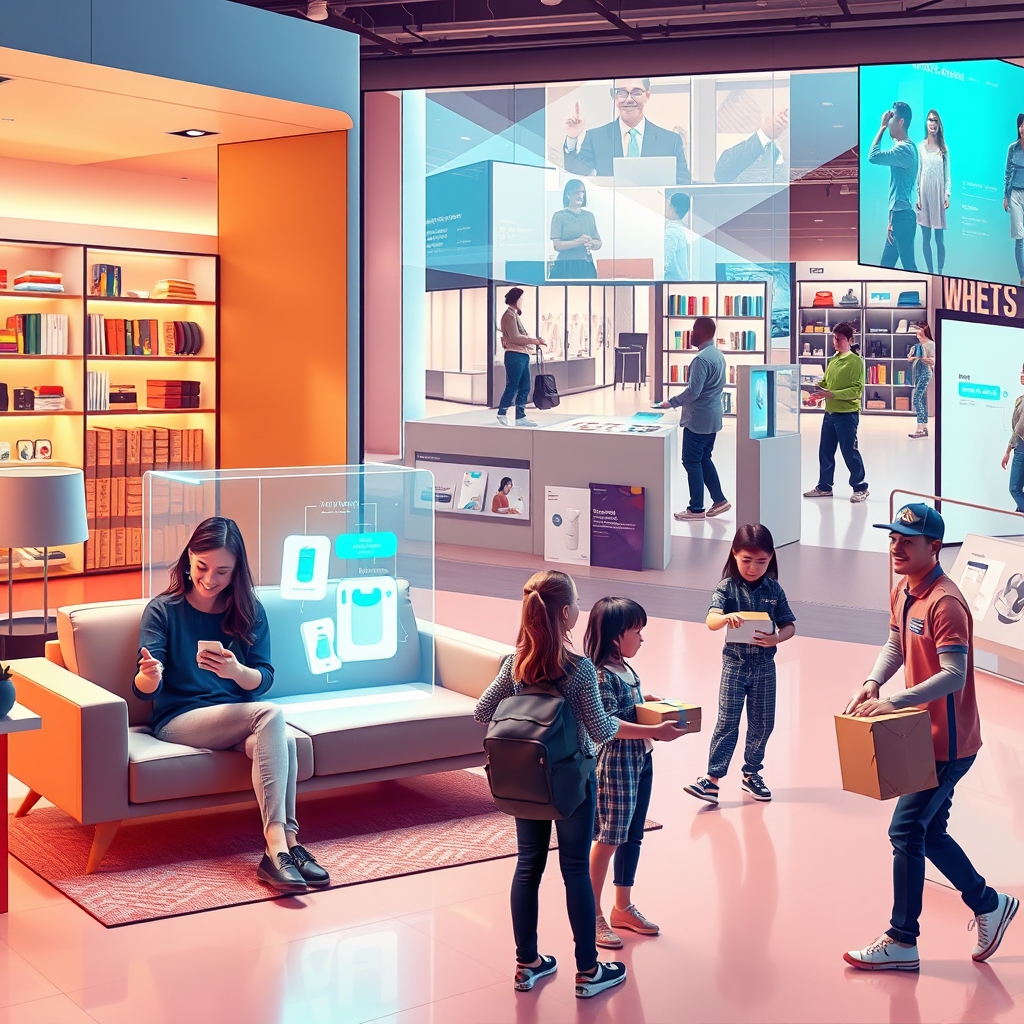
In today’s fast-paced digital landscape, consumers no longer shop in silos. They browse products on their smartphones during their commute, compare prices on a laptop at work, and finalize purchases in-store or via voice assistants at home. This shift in behavior has given rise to omnichannel e-commerce—a strategy that integrates multiple sales channels into a unified, cohesive shopping experience. For businesses, mastering omnichannel isn’t just an advantage; it’s a necessity to stay competitive and meet evolving customer expectations.
The Evolution of Omnichannel Retail
The concept of omnichannel retail emerged as a response to the fragmentation of consumer journeys. Traditional multichannel retail, where businesses operated separate online and offline channels, often led to disjointed experiences. Customers encountered inconsistencies in pricing, promotions, or product availability, which eroded trust and loyalty. Omnichannel, however, bridges these gaps by ensuring that every touchpoint—whether it’s a mobile app, social media platform, physical store, or customer service chat—delivers a consistent and personalized experience.
Retail giants like Amazon, Walmart, and Target have set the benchmark for omnichannel excellence. Amazon’s “Buy Online, Pick Up In-Store” (BOPIS) option, for example, allows customers to order products online and collect them at a nearby store within hours. This not only reduces delivery times but also drives foot traffic to physical locations, creating opportunities for additional sales. Similarly, Walmart’s integration of its online and offline inventory systems enables customers to check real-time stock availability at their preferred store, reducing frustration and improving satisfaction.
Key Components of a Successful Omnichannel Strategy
Building an effective omnichannel strategy requires more than just offering multiple sales channels. It demands a deep understanding of customer behavior, seamless technology integration, and a commitment to consistency. Here are the critical components that businesses must prioritize:
1. Unified Customer Data
At the heart of omnichannel success lies a centralized customer data platform (CDP). This system aggregates data from all touchpoints—website visits, social media interactions, purchase history, and in-store behavior—to create a single, comprehensive view of each customer. With this data, businesses can deliver hyper-personalized recommendations, targeted promotions, and tailored content that resonates with individual preferences. For instance, a customer who frequently browses running shoes on a brand’s website might receive a personalized discount code via email, along with a notification when the shoes are available for try-on at a nearby store.
2. Seamless Inventory Management
Nothing frustrates customers more than discovering that a product they want is out of stock or only available in a different channel. Omnichannel retail solves this problem by implementing real-time inventory management systems that sync across all platforms. This ensures that customers see accurate stock levels, whether they’re shopping online, in-store, or via a mobile app. Additionally, businesses can leverage inventory data to optimize supply chains, reduce overstocking, and minimize waste—benefits that extend beyond customer satisfaction to operational efficiency.
3. Consistent Branding and Messaging
Consistency is the cornerstone of trust in omnichannel retail. Customers expect the same brand voice, visual identity, and messaging across every channel. This means aligning marketing campaigns, product descriptions, pricing, and promotions to avoid confusion or frustration. For example, if a customer sees a 20% discount on a product in a Facebook ad, they should encounter the same offer when they visit the brand’s website or walk into a physical store. Inconsistencies not only undermine credibility but also create friction in the shopping journey.
4. Flexible Fulfillment Options
Modern consumers value convenience above all else, and omnichannel retail delivers by offering flexible fulfillment options. Beyond traditional home delivery, businesses can provide services like curbside pickup, same-day delivery, or even subscription-based models. Sephora, for instance, allows customers to order products online and pick them up in-store, where they can also receive personalized beauty consultations. This blend of digital and physical experiences enhances customer satisfaction while driving incremental sales.
5. Integrated Customer Support
Customer support is no longer confined to phone calls or emails. Today’s shoppers expect assistance across multiple channels, including live chat, social media, and even messaging apps like WhatsApp. An omnichannel approach ensures that support teams have access to the same customer data, enabling them to provide context-aware assistance. For example, if a customer contacts support via Instagram about a delayed order, the agent should be able to see the order history and resolve the issue without asking the customer to repeat information. This level of integration fosters loyalty and reduces churn.
Overcoming Omnichannel Challenges
While the benefits of omnichannel retail are clear, implementing it is not without challenges. Businesses often struggle with the complexity of integrating disparate systems, managing data privacy, and training staff to deliver consistent experiences. Here’s how to address these hurdles:
Technology Integration
Legacy systems and siloed data are among the biggest obstacles to omnichannel success. Businesses must invest in modern, scalable technology platforms that can seamlessly connect e-commerce websites, point-of-sale (POS) systems, customer relationship management (CRM) tools, and inventory databases. Cloud-based solutions, such as Shopify Plus or Salesforce Commerce Cloud, offer the flexibility and scalability needed to support omnichannel operations. Additionally, APIs (Application Programming Interfaces) can bridge gaps between systems, enabling real-time data sharing and automation.
Data Privacy and Security
With great data comes great responsibility. Collecting and storing customer data across multiple channels increases the risk of breaches and privacy violations. Businesses must comply with regulations like the General Data Protection Regulation (GDPR) and the California Consumer Privacy Act (CCPA) to protect customer information. Implementing robust security measures, such as encryption, multi-factor authentication, and regular audits, is essential to building trust and avoiding costly penalties.
Employee Training and Change Management
Omnichannel retail requires a cultural shift within organizations. Employees at all levels—from store associates to customer service representatives—must understand the importance of consistency and collaboration. Training programs should focus on equipping staff with the skills to use omnichannel tools effectively, such as mobile POS systems or customer data platforms. Additionally, fostering a customer-centric mindset ensures that every team member prioritizes the seamless experience that omnichannel promises.
The Future of Omnichannel E-Commerce
As technology continues to evolve, so too will the possibilities for omnichannel retail. Emerging trends like augmented reality (AR), virtual reality (VR), and artificial intelligence (AI) are poised to further blur the lines between online and offline shopping. Imagine a customer trying on clothes virtually using AR before purchasing them online, or an AI-powered chatbot guiding them through a personalized shopping journey across multiple channels. These innovations will not only enhance convenience but also create immersive, engaging experiences that drive loyalty and sales.
Voice commerce is another frontier with immense potential. As smart speakers and voice assistants become ubiquitous, businesses must optimize their omnichannel strategies to accommodate voice-based interactions. This includes ensuring that product information is easily accessible via voice search and that fulfillment options are compatible with voice-activated ordering. Brands that embrace these advancements early will gain a competitive edge in an increasingly crowded market.
The shift toward omnichannel e-commerce is more than a trend—it’s a fundamental change in how businesses and consumers interact. By breaking down the barriers between channels, companies can create seamless, personalized experiences that meet customers wherever they are. The businesses that thrive in this connected world will be those that prioritize integration, consistency, and innovation, turning every touchpoint into an opportunity to delight and engage. As the lines between digital and physical continue to fade, the future of retail belongs to those who can adapt and unify the shopping journey into a single, effortless experience.
You may also like
-
Subscription Models in E-Commerce: How Recurring Revenue is Changing the Game
-
Augmented Reality in E-Commerce: Bridging the Gap Between Virtual and Physical Shopping
-
Dynamic Pricing in E-Commerce: How Real-Time Adjustments Are Revolutionizing Online Retail
-
The Art of Cart Abandonment Recovery: Turning Lost Opportunities into Sales
-
The Power of Micro-Conversions: Small Steps That Lead to Big Sales in E-Commerce